New Normal VS Second Wave

As the world comes to grips with the “new normal” coronavirus has wrought on our towns, cities and communities, society faces the challenge of figuring out how to talk about the impact the virus is having on our everyday lives. Coronavirus has led to an explosion of new words and phrases, both in English and in other languages. This new vocabulary helps us make sense of the changes that have suddenly become part of our everyday lives. Check it out! Covidiot: someone ignoring public health advice Covideo party : online parties via Zoom or Skype Covexit: the strategy for exiting lockdown Blursday: an unspecified day because of lockdown’s disorientating effect… Read More

Continue Reading
Preventing PTSD from Covid-19 Pandemic

You might feel an uptick in anxiety each time you see a coronavirus headline. You might have stopped watching the news because it’s too much to handle. Or you may feel frustration and anger whenever you go outside and notice people being terrible at practicing social distancing. We’re all experiencing some level of trauma related to the COVID-19 pandemic. There’s a lot of different types of trauma that can happen as a result of this. The first group of people that comes to mind are the people at the front lines of fighting the coronavirus. These are the health care workers who continue to show up and work long hours… Read More

Continue Reading

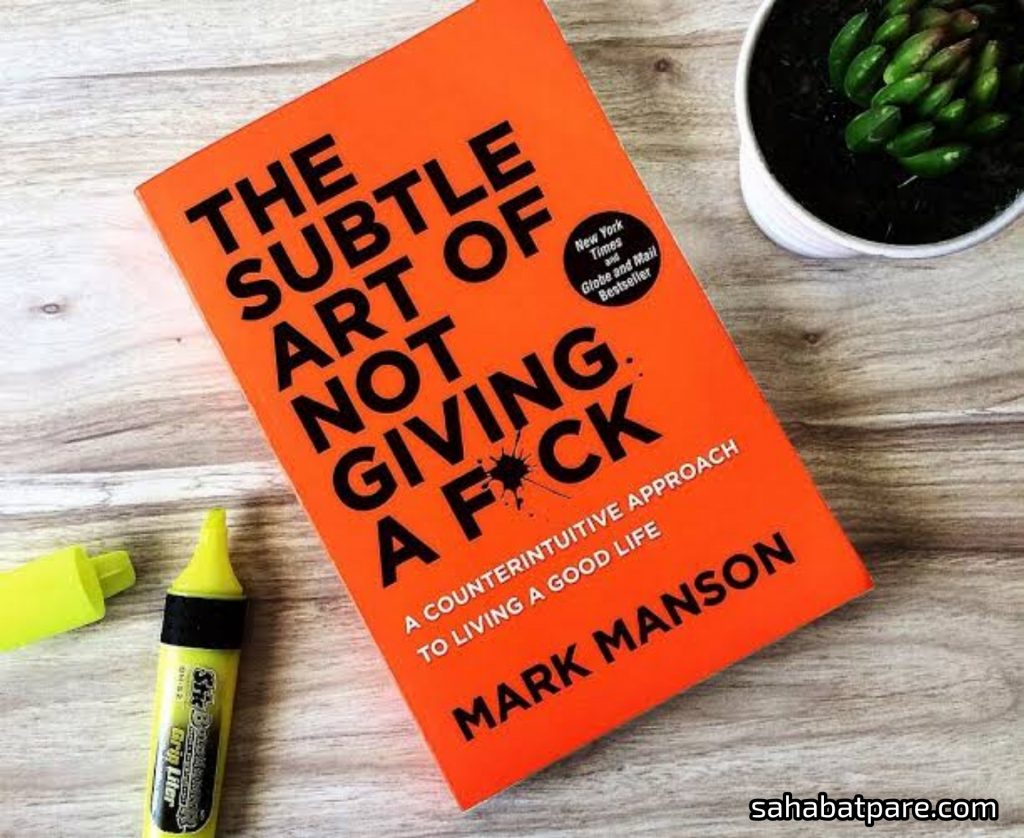
Read repeatedly “the subtle art of not giving a f*uck”

While #dirumahaja, it’s better to kill you time by reading repeatedly a left book ago or listening a podcast about. Here is “The Subtle Art of Not Giving a Fck”* by Mark Manson, all about self-improvement not through avoiding problems or always being happy, but rather through engaging and improving upon problems and learning to accept the occasional unhappiness. It’s a radical departure from anything else you’ve ever read, and that’s what makes it so powerful. We give an imagination for some powerful parts on it: “…You and everyone you know are going to be dead soon. And in the short amount of time between here and there,, you have… Read More

Continue Reading

Regular and Irregular Adverbs

ADVERB generally corresponds to an ADJECTIVE. REGULAR adverbs are simply formed by adding “-ly” or other changes. IRREGULAR adverbs, on the other hand, are not formed from standard English spelling conventions (not always use “by”). You have to memorize them or find on Dictionary. BUT, we can simply identify the both from the position in sentence by knowing adjective or adverb. Eg. Regular Arverb She is a beautiful singer. (Ajdective) She sings a song beautifully. (Adverb) Eg. Irregular Adverb He is a fast runner. (Adjective) He runs fast. (Adverb) Either regular or irregular adverb, with suffix-ly or other changes above, means commonly in Bahasa Indonesia as “dengan/secara”

Continue Reading

Factfulness

Hi #sahabatpare … You know the fact of the world that you suppose it’s wrong about. Here is Factfulness by Hans Rosling, the #1 longlisted book on over media in the world 2018. “One of the most important books I’ve ever read – an indispensable guide to thinking clearly about the world.” Bill Gates. Amazingly, He also donate more than 5.000 copies and free access (softfile) of this book. Does this fact still stand after Corona? Who knows? 🙄 How great the book is!! find on link https://www.gatesnotes.com/Books/Factfulness Join our ig: sahabatpare_lingua

Continue Reading